

Winter means the coldest season of the year, the season between autumn and spring when days grow short, nights grow long, and cold sets in. In the Northern Hemisphere, winter 2026 begins on Monday, December 21, 2026, and ends on Saturday, March 20, 2027. The winter meaning goes deeper than weather, since it can also mean a time of rest, quiet, and waiting before spring returns. Winter is also the season of Christmas, Hanukkah, Advent, and the New Year, so its meaning mixes cold weather with light, warmth, and hope.
Winter Meaning in Simple Words
Winter is a noun that names the coldest of the four seasons, and it comes after autumn and before spring. In most of the Northern Hemisphere, it brings snow, ice, frost, and cold wind. Days are short, nights are long, and trees stand bare. Many animals sleep through it, and plants rest until spring.
The word can also work as an adjective, since winter clothes keep you warm. A winter coat, winter boots, and a winter hat all belong to the season. As a verb, winter means to spend the cold months in a place, as birds do when they winter in warm lands. People may winter in a sunny town and return home in spring.
Winter can also stand for a whole year, so old books say “many winters ago” when they mean many years ago. In stories, winter can mean a hard time in life, or the last stage of life. A phrase like “the winter of his life” points to old age, so the plain sense is a season while the deeper sense is cold, rest, and the end of a cycle.
Where Does the Word Winter Come From?
The word winter comes from Old English, and its roots reach back to the Germanic word wintar and to the Gothic word wintrus. Scholars link it to an old root that means wet, and Britannica notes that the name comes from an old Germanic word that means “time of water.” The name fits, because winter brings rain, snow, and ice to the middle and high latitudes. The word has been in use since before the 12th century, and its core sense has stayed the same: the cold, wet season.
When Does Winter Start and End in 2026?
There are two ways to date winter, and the first is astronomical winter. It starts with the winter solstice and ends with the spring equinox. In 2026, astronomical winter starts on Monday, December 21, 2026, and ends on Saturday, March 20, 2027. The second way is meteorological winter, which weather services date by whole months, so it runs from December 1, 2026, to February 28, 2027. This fixed span makes it easy to compare weather records from year to year.
| Definition | Start | End |
|---|---|---|
| Astronomical winter | December 21, 2026 | March 20, 2027 |
| Meteorological winter | December 1, 2026 | February 28, 2027 |
In the Southern Hemisphere, the dates flip, and winter there runs from June to August. The 2026 winter solstice in the south fell on June 21, 2026, so when it is winter in New York, it is summer in Sydney.
What Is the Winter Solstice?
The winter solstice is the moment when the North Pole tilts farthest from the sun. In 2026, it falls on Monday, December 21, at 20:50 UTC, which is 3:50 p.m. in New York and 8:50 p.m. in London. At that moment, the sun stands over the Tropic of Capricorn, as far south as it ever gets. The day of the solstice has the least daylight of the year in the Northern Hemisphere, and the night is the longest. After the solstice, days grow longer again, bit by bit, until spring arrives.
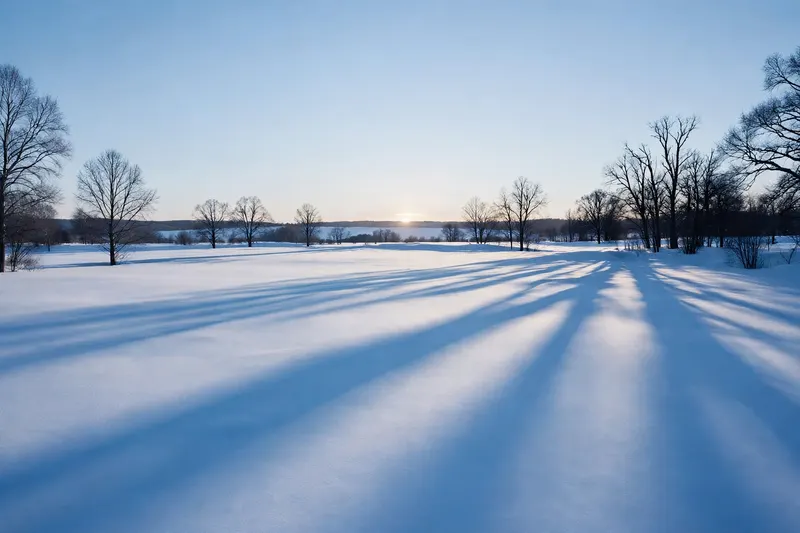
The word solstice comes from the Latin solstitium, which means “still sun,” because for a few days near the solstice, the sun seems to stand still in the sky at noon. Then it starts to climb again, and people have marked this turning point for thousands of years. Old sites like Newgrange in Ireland and Stonehenge in England line up with the solstice sun.
What Does Winter Symbolize?
Winter symbolizes rest, as nature slows down across the cold months. Trees drop their leaves, bears sleep, and seeds wait in cold soil. The season teaches that rest is part of growth, not the end of it.
Winter also symbolizes reflection, since long nights and quiet days give people time to think. Many faiths and cultures use this season for prayer, rest, and a fresh look at the year that has passed.
At the same time, winter stands for endings, and in old stories, it marks the close of a cycle. Greek myth tells how Demeter, goddess of the harvest, mourns while her daughter Persephone stays in the underworld, and the earth grows cold. In Norse myth, a great winter called Fimbulwinter comes before the end of the world. Writers still use winter to mean a hard time, a loss, or the last chapter of a life.
Yet winter also carries hope, since it is the season of light in the dark. Candles, fires, and lamps mark the long nights. The Romans held Saturnalia, a midwinter feast, from December 17 to 23, while Yule, an old Germanic festival, marked the return of the sun. After the solstice, each day brings a little more light, which is why winter means both an ending and a fresh start.
Winter Festivals and Traditions
Winter holds some of the warmest days of the year, and Christmas falls on Friday, December 25, 2026. Families gather, lights go up, and gifts change hands. Hanukkah, the Festival of Lights, begins at sunset on Friday, December 4, 2026, and runs to nightfall on Saturday, December 12, 2026. Advent, the four weeks before Christmas, starts on Sunday, November 29, 2026, and the New Year brings fresh plans on Friday, January 1, 2027.
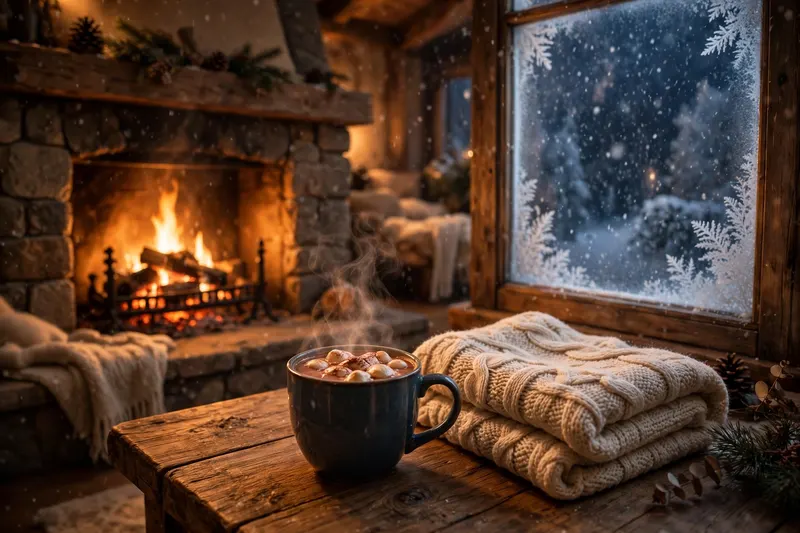
Food, light, and song fill the season, as people bake, share meals, and visit family. Markets sell hot drinks and warm clothes, and in cold lands, people skate on frozen lakes and build snowmen. In warm lands, winter can feel like a mild break from heat. The season looks different in each place, but the mood is the same: slow down, gather close, and wait for spring.
Winter in Everyday Language
People use winter in common phrases, and “the dead of winter” means the coldest part of the season, often late January. “Winter blues” means the low mood some people feel when days are short and light is scarce. “In the winter of life” means old age, while a “winter coat” is a thick coat for cold days. A “winter sport” is a sport played on snow or ice, like skiing or skating.
The word also shows up in books and songs, and Shakespeare wrote of “the winter of our discontent” in Richard III. Poets use winter to paint a scene of snow, silence, and stillness. In daily talk, winter is plain and clear, and it means cold, dark, and quiet days, with warmth found indoors.
How to Use Winter in a Sentence
- Winter starts on December 21 this year.
- We wear thick coats in winter.
- The lake froze in the first week of winter.
- She loves winter nights by the fire.
- They plan to winter in Florida.
- It was the coldest winter in ten years.
Winter Meaning FAQs
What is winter meaning?
Winter meaning is the coldest season of the year, between autumn and spring. It also stands for rest, quiet, and the wait for spring.
When does winter start in 2026?
Winter starts on Monday, December 21, 2026, at the winter solstice. Weather services count winter from December 1, 2026.
When does winter end?
Astronomical winter ends on Saturday, March 20, 2027, at the spring equinox. Meteorological winter ends on February 28, 2027.
What does winter symbolize?
Winter symbolizes rest, reflection, and the end of a cycle. It also stands for hope, since light returns after the solstice.
What is the origin of the word winter?
It comes from Old English and Germanic roots, and it links to an old word that means “time of water.”
Is winter the same in the Southern Hemisphere?
No. Winter in the Southern Hemisphere runs from June to August, when the north has summer.
What is the difference between astronomical and meteorological winter?
Astronomical winter runs from solstice to equinox, while meteorological winter uses the fixed months of December, January, and February.

I am Olivia, the passionate writer and creator behind MeaningZime, where I share meaningful insights, inspiring ideas, and engaging content about names, quotes, emotions, and life-related topics. I love exploring the deeper meanings hidden in words and turning them into easy-to-understand articles that inform and inspire readers around the world. Through MeaningZime.com, my goal is to create a place where curiosity meets knowledge and every visitor finds something valuable, relatable, and uplifting.

5 thoughts on “Winter Meaning: What Winter Means, When It Starts in 2026, and What It Symbolizes”