
If you’ve ever watched an old movie or listened to a classic rock record and heard someone say “I can dig it,” you’ve bumped into one of the most iconic slang terms of the twentieth century. The word “dig” didn’t start in the 1960s, but that decade is where it exploded into mainstream American culture, carried by jazz musicians, hippies, and rock bands alike.
This guide breaks down exactly what “dig” meant in the 1960s, where it came from, and how it connects to a whole family of retro slang words like “groovy,” “far out,” and “cool cat.” Whether you’re researching vintage slang for fun, writing a screenplay set in the sixties, or just curious what your grandparents meant when they said “can you dig it,” this article has you covered.
Quick Reference Table
| Slang Term | Meaning | Still Used Today? |
| Dig | To understand or like something | Occasionally |
| Dig It | To approve of or agree with something | Rarely, mostly ironic |
| Far Out | Amazing or unconventional | Rarely, nostalgic use |
| Groovy | Cool, stylish, or enjoyable | Occasionally, retro tone |
| Beat | Tired, worn down, or part of the Beat Generation | Rarely |
| Square | Boring, conventional, uncool | Occasionally |
| Hip | Fashionable, aware, in the know | Yes, still common |
| Cool Cat | A stylish, laid-back person | Rarely |
| Right On | Expression of agreement or support | Occasionally |
| Outta Sight | Excellent or amazing | Rarely |
| Pad | One’s home or apartment | Rarely |
| Foxy | Attractive or good-looking | Occasionally |
| Hep | An earlier version of “hip” | Rarely |
| Keen | Great or excellent | Rarely |
| Daddy-O | A casual, friendly term for a man | Rarely |
| Bread | Money | Rarely |
| Sock It to Me | Give it your best effort | Rarely |
| Hang Loose | Relax and stay calm | Yes, still common |
| Lay It On Me | Tell me the details | Occasionally |
| Heavy | Serious or emotionally intense | Yes, still common |
| The Scene | A social or cultural environment | Yes, still common |
1960s Slang Terms Related to “Dig”
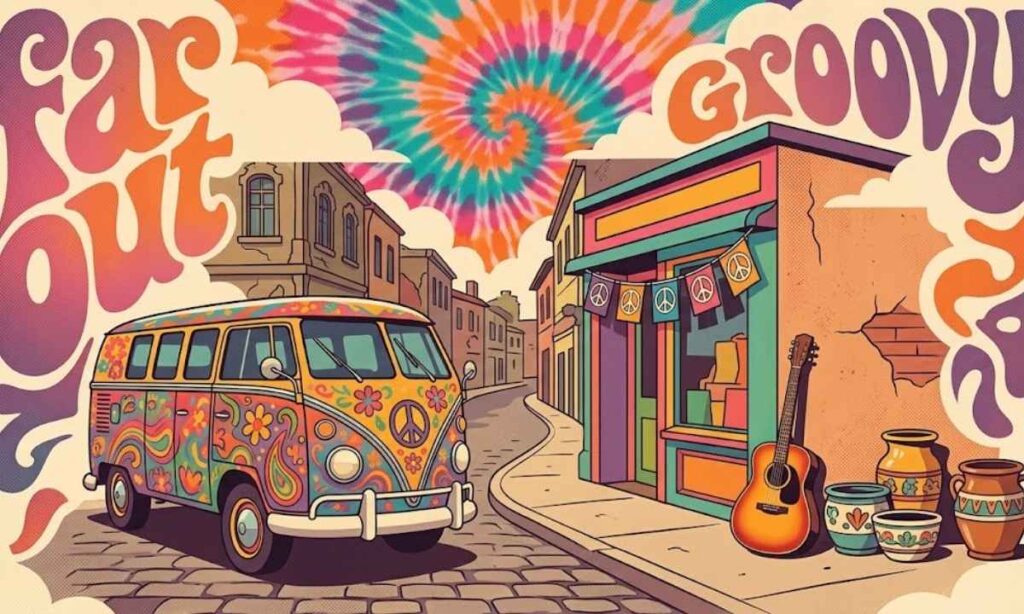
The 1960s produced a rich vocabulary that reflected the era’s music, counterculture movements, and shifting social attitudes. Below is a breakdown of the terms most closely tied to “dig” and the broader slang landscape of the decade.
Dig
At its core, “dig” meant to understand, appreciate, or genuinely enjoy something. If a friend played you a new record and you liked it, you might say, “I dig it.” The word could also mean simply “to understand,” as in “You dig what I’m saying?”
Historians trace the term back to African American Vernacular English (AAVE) and jazz culture of the 1930s, where it was closely tied to the Wolof words “deg” or “dega,” meaning to understand or appreciate. By the 1960s, it had moved from jazz clubs into mainstream hippie and rock culture, becoming a defining word of the era.
Dig It
“Dig it” was the action-oriented version of the word, used to express agreement, excitement, or approval. It became especially famous through the 1969 song “Grazing in the Grass” by The Friends of Distinction, whose chorus repeated the phrase “I can dig it” as a statement of pure enthusiasm.
- Meaning: To fully understand or genuinely approve of something.
- Example: “New guitar riff? Yeah, I dig it.”
Far Out
“Far out” described anything impressive, unusual, or mind-expanding. It was a favorite of the psychedelic and counterculture movement, often used to react to art, music, or ideas that felt ahead of their time.
- Meaning: Amazing, unconventional, or unexpected.
- Example: “That light show at the concert was far out.”
Groovy
Perhaps the most recognizable word from the decade, “groovy” meant cool, stylish, enjoyable, or in tune with the times. It came from jazz slang, where being “in the groove” meant playing music smoothly and confidently.
- Meaning: Excellent, fashionable, or pleasing.
- Example: “That’s a groovy jacket you’re wearing.”
Beat
“Beat” had two connections in the era. It described someone who was tired or worn out, and it also referenced the Beat Generation, the group of writers and artists (like Jack Kerouac) who influenced 1960s counterculture.
- Meaning: Exhausted, or associated with Beat Generation values.
- Example: “I’m beat after that road trip.”
Square
A “square” was someone considered boring, old-fashioned, or resistant to new cultural trends. It was the direct opposite of being “hip” or “groovy.”
- Meaning: Conventional, uncool, out of touch.
- Example: “Don’t be such a square, come to the show with us.”
Hip
To be “hip” meant being aware, fashionable, and culturally in tune with current trends, music, and attitudes. This word has survived remarkably well and is still used today.
- Meaning: Trendy, informed, culturally aware.
- Example: “She’s really hip to what’s happening in music right now.”
Cool Cat
A “cool cat” referred to someone who carried themselves with confidence, style, and a relaxed attitude, often associated with jazz musicians or anyone considered effortlessly stylish.
- Meaning: A stylish, self-assured person.
- Example: “He walked in looking like a real cool cat.”
Right On
“Right on” was an enthusiastic expression of agreement, support, or solidarity, often used during protests and political movements of the decade.
- Meaning: Yes, exactly, I agree.
- Example: “You think we deserve better pay? Right on!”
Outta Sight
Similar to “far out,” “outta sight” described something so impressive it was almost unbelievable.
- Meaning: Excellent, amazing, extraordinary.
- Example: “That concert was outta sight.”
Pad
“Pad” was a casual term for someone’s home or apartment, commonly used among musicians and young people living independently for the first time.
- Meaning: A person’s living space or apartment.
- Example: “Come over to my pad after the show.”
Foxy
“Foxy” described someone considered attractive or good-looking, often used as a compliment toward women in 1960s pop culture and music lyrics.
- Meaning: Attractive, appealing.
- Example: “She’s one foxy lady.”
Hep
“Hep” is essentially the earlier version of “hip,” used in the 1940s and carried into early 1960s slang before “hip” took over as the more popular term.
- Meaning: Aware, informed, trendy.
- Example: “He helps with what’s going on.”
Keen
“Keen” was an enthusiastic way of saying something was great or exciting, more common in earlier parts of the decade and among teenagers.
- Meaning: Great, exciting, wonderful.
- Example: “That new record is keen!”
Daddy-O
“Daddy-O” was a casual, friendly way to address a man, often used by jazz musicians and later adopted by beatniks and teenagers.
- Meaning: A friendly term for a man, similar to “man” or “dude.”
- Example: “Hey, daddy-o, what’s the plan tonight?”
Bread
In 1960s slang, “bread” simply meant money, a term that has actually carried over into modern slang usage as well.
- Meaning: Money or cash.
- Example: “I need to make some bread this weekend.”
Sock It to Me
Popularized by the TV show “Rowan & Martin’s Laugh-In,” this phrase meant to give something your full effort or to hit hard, whether literally or figuratively.
- Meaning: Give it everything you’ve got.
- Example: “Go ahead, sock it to me with your best pitch.”
Hang Loose
“Hang loose” encouraged relaxation and a carefree attitude, a phrase that remains popular today, especially in surf and beach culture.
- Meaning: Relax, stay calm, don’t stress.
- Example: “Just hang loose, everything will work out.”
Lay It On Me
This phrase asked someone to share information, details, or their honest opinion.
- Meaning: Tell me, give me the details.
- Example: “You’ve got news? Lay it on me.”
Heavy
“Heavy” describes something serious, emotionally intense, or deeply meaningful, a usage that has stayed relevant in modern conversation.
- Meaning: Serious, intense, significant.
- Example: “That documentary was heavy.”
The Scene
“The scene” referred to a specific social, musical, or cultural environment, such as the jazz scene or the psychedelic rock scene.
- Meaning: A cultural or social community centered around shared interests.
- Example: “He’s been part of the folk scene since college.”
Generational Slang Comparison
Slang evolves with every generation, shaped by music, technology, and social movements. Here’s how “dig” and its 1960s companions compare to how younger generations express similar ideas today.
Gen Z
Gen Z slang spreads primarily through social media platforms like TikTok and Instagram. Words like “slay,” “rizz,” “no cap,” and “bet” reflect a culture built around short-form video and internet humor. Where a 1960s teen might say “I dig it,” a Gen Z teen might say “that’s fire” or “it’s giving.”
Millennials
Millennial slang grew out of early internet forums, texting culture, and 2000s pop music. Terms like “epic,” “cringe,” “lit,” and “on fleek” defined this generation’s casual vocabulary, sitting somewhere between the analog slang of the sixties and the digital-first language of Gen Z.
Older Generations
Slang from the 1960s, including “dig,” “groovy,” and “far out,” emerged from jazz clubs, folk music venues, and youth protest movements. Unlike today’s slang, which spreads online within hours, 1960s slang spread through radio, live music, and word of mouth, taking months or years to become mainstream.
I Dig You Meaning from a Guy
When a guy says “I dig you,” he’s expressing genuine interest or affection, similar to saying “I really like you” today. It’s a casual, low-pressure way of showing romantic or platonic appreciation without sounding overly formal. In 1960s dating culture, “I dig you” was considered a sincere and slightly cool way to express attraction, often used early in a relationship before anything more serious was said out loud.
Dig Meaning Synonyms
If you’re looking for modern or alternative ways to express the same idea as “dig,” consider these synonyms:
- Appreciate
- Enjoy
- Vibe with
- Love
- Understand
- Get
- Fancy
- Admire
- Relate to
- Connect with
Australian Slang “Digs”

In Australian and British English, “digs” refers to a place someone lives, usually rented rooms or shared accommodation. The term traces back to “diggings,” a word historically associated with gold mining claims in Australia and California. Over time, “diggings” was shortened to “digs” and came to describe lodgings, particularly for students, young workers, or unmarried people sharing a house. Today, saying “I found new digs” simply means someone has moved into a new place to live.
Digging Meaning Slang
Beyond the 1960s usage, “digging” as slang can mean actively enjoying or getting into something in the present tense. For example, “I’m really digging this song” means someone currently likes or is enjoying a piece of music. This form of the word has survived far better than “dig it” and is still used casually in everyday English, especially around music, food, or new experiences.
How to Use Slang Naturally Without Sounding Awkward
Using retro slang correctly takes more than memorizing definitions. Context, tone, and setting all matter.
Match the Tone
Slang should match the overall tone of the conversation. Casual, playful slang like “groovy” or “far out” fits relaxed, friendly conversations, but can feel out of place in a serious discussion.
Understand the Context
Some slang words carry specific cultural or historical weight. Using “dig” in a modern conversation might come across as ironic or nostalgic rather than natural, so it’s important to understand how the word is likely to be received.
Consider the Social Setting
Slang that works among close friends may not work in professional or formal settings. Always consider who you’re speaking to before dropping in outdated or highly casual expressions.
Common Slang Mistakes
Even well-intentioned slang use can go wrong. Here are the most common mistakes people make.
Using Outdated Slang
Using slang that’s decades out of style, like calling someone a “cool cat” in casual modern conversation, can come across as forced or unintentionally funny rather than authentic.
Writing Slang in Formal Documents
Slang terms like “dig,” “groovy,” or “far out” should never appear in resumes, business emails, or academic writing, where a professional tone is expected.
Overusing Slang
Sprinkling too much slang into a single conversation or piece of writing can make it feel exaggerated or insincere. A little goes a long way.
Practice Section
Test your understanding of 1960s slang with these quick exercises.
Fill in the Blank
- “That new song is so ______, I can’t stop listening to it.” (groovy)
- “Come over to my ______ after the show.” (pad)
- “He’s such a ______, he never wants to try anything new.” (square)
Choose the Correct Slang
- Which word means “money” in 1960s slang? a) Bread b) Pad c) Square
- Which phrase means “relax and don’t stress”? a) Sock it to me b) Hang loose c) Lay it on me
- Which word describes someone stylish and confident? a) Beat b) Cool cat c) Heavy
Rewrite the Sentence Using Slang
Original: “I really like this song, it’s excellent.” Slang version: “I dig this song, it’s outta sight.”
Conclusion
The word “dig” captures a moment in American culture when jazz, folk, and rock music reshaped everyday language. From “dig it” to “groovy” and “far out,” 1960s slang reflected a generation eager to express individuality, appreciation, and connection in new ways. While most of these words have faded from daily use, they remain a fascinating snapshot of how youth culture, music, and social change shape the way we talk. Understanding this vocabulary doesn’t just help you decode old movies and songs, it also shows how language keeps evolving from one generation to the next.
FAQs
What does “dig” mean in 1960s slang?
“Dig” means to understand, appreciate, or genuinely like something, often used in phrases like “I dig it” or “you dig?”
Where did the word “dig” originate?
The slang meaning of “dig” traces back to African American Vernacular English and jazz culture of the 1930s, later becoming mainstream in the 1960s.
Is “dig” still used today?
Yes, though rarely. It occasionally appears in casual conversation, music, or as an intentional nod to retro culture.
What does “I dig you” mean from a guy?
It means he genuinely likes or is romantically interested in you, similar to saying “I really like you” in modern language.
What is the difference between “dig” and “digs”?
“Dig” means to understand or like something, while “digs” refers to a place someone lives, especially rented accommodation.
What does “groovy” mean?
“Groovy” means cool, stylish, or enjoyable, and was one of the most popular slang words of the 1960s.
What is a modern equivalent of “dig it”?
Modern equivalents include phrases like “I’m vibing with this,” “that’s fire,” or simply “I love this.”

I am Olivia, the passionate writer and creator behind MeaningZime, where I share meaningful insights, inspiring ideas, and engaging content about names, quotes, emotions, and life-related topics. I love exploring the deeper meanings hidden in words and turning them into easy-to-understand articles that inform and inspire readers around the world. Through MeaningZime.com, my goal is to create a place where curiosity meets knowledge and every visitor finds something valuable, relatable, and uplifting.
