

Romance is one of those words everyone uses but few people stop to define. You might say you’re “in a romance,” call a candlelit dinner “romantic,” or describe a Nicholas Sparks novel as a “romance.” But what does the word actually mean, and how does it shape real relationships?
This guide breaks down the true meaning of romance, how it differs from love, the many types of romance you’ll encounter, and how the concept translates across languages and cultures. Whether you’re curious about the origin of the word or looking for ways to bring more romance into your relationship, you’ll find clear, practical answers below.
What Is the Meaning of Romance?
At its core, romance is the feeling of excitement, affection, and emotional connection shared between two people who are attracted to each other. It includes the words, gestures, and actions that express love, desire, and admiration.
Dictionaries generally define romance in a few related ways:
- A close, often intense relationship between two people who love each other
- The feeling of being in love, including the excitement and passion that come with it
- A quality of mystery, adventure, or idealized attraction connected to a person, place, or experience
- A genre of fiction centered on love stories
Interestingly, the word “romance” didn’t originally have anything to do with love. It comes from the Old French word romanz, referring to stories written in vernacular Romance languages (rather than Latin), usually about chivalry, adventure, and knights. Because so many of these tales involved love affairs, the word gradually shifted to mean a love story — and eventually, a love relationship itself.
In short: romance is both a feeling (attraction, excitement, tenderness) and an action (the things people do to express that feeling).
What Does Romance Mean in a Relationship?
Inside a relationship, romance is the ongoing effort to keep emotional and physical connection alive. It’s not a one-time event — it’s a pattern of attention, affection, and intentionality between partners.
Romance in a relationship typically shows up as:
- Emotional intimacy — feeling truly seen, heard, and valued by your partner
- Physical affection — holding hands, hugging, kissing, and closeness
- Thoughtful gestures — surprises, notes, small acts of kindness
- Quality time — dates, conversations, and shared experiences
- Verbal expression — compliments, affirmations, and “I love you” moments
Romance doesn’t require grand gestures. A couple that checks in daily, remembers small preferences, and makes time for each other despite busy schedules is practicing romance just as much as one that plans elaborate surprises.
Different Types of Romance Explained

Not all romance looks the same. Psychologists and relationship experts often categorize romance into several distinct types, each with its own emotional tone.
| Type of Romance | Description |
|---|---|
| New Romance | The early, high-excitement stage of a relationship, often called the “honeymoon phase.” |
| Long-Term Romance | Deep, comfortable affection built through years of shared history and trust. |
| Passionate Romance | Intense physical and emotional attraction, often associated with strong desire. |
| Companionate Romance | A calmer form of love rooted in friendship, respect, and mutual support. |
| Whirlwind Romance | A fast-moving relationship that develops quickly and intensely. |
| Long-Distance Romance | A relationship sustained despite physical separation, relying on communication and trust. |
| Fictional/Literary Romance | Romance as portrayed in books, films, and stories — often idealized or dramatized. |
Understanding which type of romance you’re experiencing (or hoping for) can help set realistic expectations. Whirlwind romance, for example, feels thrilling but often needs time to mature into something stable. Companionate romance may feel less intense but tends to last longer.
What Is the Meaning of Romantic Love?
Romantic love is a specific kind of love that combines emotional attachment, physical attraction, and a desire for closeness with one particular person. Psychologist Robert Sternberg’s well-known Triangular Theory of Love describes romantic love as a mix of two core components:
- Intimacy — emotional closeness and connection
- Passion — physical attraction and desire
When commitment is added to intimacy and passion, romantic love can evolve into what Sternberg calls “consummate love” — the most complete and enduring form of love in a relationship.
Romantic love is often characterized by:
- Heightened emotional and physical attraction
- A strong desire to be near the other person
- Idealization of the partner, especially early on
- Vulnerability and emotional openness
- A sense of exclusivity and deep personal connection
What Is the Difference Between Romance and Love?

People often use “romance” and “love” interchangeably, but they aren’t the same thing. Romance is more about expression and feeling, while love is a deeper, more stable emotional bond.
| Aspect | Romance | Love |
|---|---|---|
| Nature | Expressive and action-based | Emotional and enduring |
| Duration | Can be short-lived or fluctuate | Tends to grow stronger with time |
| Focus | Excitement, gestures, attraction | Commitment, trust, deep bonding |
| Requires effort | Yes, ongoing and intentional | Yes, but sustained through consistency |
| Can exist without the other | Yes, romance can happen without deep love (e.g., early dating) | Yes, love can exist without active romance (e.g., long marriages) |
Put simply: romance is how love is often expressed, but love can exist even when romance fades — and romance alone doesn’t guarantee lasting love. Healthy relationships usually need both: the emotional foundation of love and the ongoing spark of romance.
What Does Romance Mean in Different Languages?
The concept of romance isn’t uniquely English — it exists in nearly every language and culture, though the words and connotations vary.
Romance Meaning in Spanish, French, Italian & German
- Spanish: Romance means the same as in English — a love affair or romantic relationship. The word romántico describes something romantic.
- French: Romance refers to a sentimental love story, while l’amour is the broader word for love. Romantique describes romantic qualities.
- Italian: Romanticismo relates to romance and romantic feeling, while storia d’amore means “love story.”
- German: Romantik refers to romance or the Romantic era in art and literature, while Liebe means love. Something romantic is romantisch.
Notably, Spanish, French, and Italian are all Romance languages — a language family descended from Latin, named for the same root word that eventually came to mean “love story.”
Romance Meaning in Hindi, Urdu, Arabic & Other Asian Languages
- Hindi: Romance is often expressed through the words pyaar (love) or ishq (deep, passionate love), along with romance used as a loanword in casual speech.
- Urdu: Similarly rich in vocabulary for love, Urdu uses muhabbat (love) and ishq (intense romantic love), both carrying poetic weight in South Asian literature and film.
- Arabic: Hubb means love, while gharam refers to intense romantic passion. Arabic poetry has long used elaborate vocabulary to describe stages of romantic feeling.
- Japanese: Ren’ai refers to romantic love or dating relationships, distinct from broader words for affection.
- Korean: Yeonae means romantic relationship or dating, commonly used in everyday conversation and media.
- Chinese: Làngmàn (浪漫) is a direct phonetic borrowing of “romantic,” widely used to describe romantic gestures and atmosphere.
Romance Meaning in Latin, Greek & Other Ancient Languages
- Latin: The root of “romance” traces back to Romanicus, referring to things “in the Roman manner” — later used for vernacular language and stories.
- Greek: Ancient Greek distinguished between different types of love, including eros (passionate, romantic desire), philia (deep friendship), and agape (unconditional love). Eros is the closest match to modern romantic love.
- These ancient distinctions still influence how we talk about romance today, especially the idea that romantic love (eros) is only one of several types of love a person can experience.
Romance Meaning in Different Cultures Around the World
While the emotional core of romance is universal, how it’s expressed varies significantly by culture:
- Western cultures often emphasize individual choice, public displays of affection, and grand romantic gestures (flowers, dates, proposals).
- South Asian cultures frequently blend romance with family involvement, with courtship traditions balancing personal connection and family approval.
- East Asian cultures may express romance more subtly, valuing quiet acts of care, loyalty, and long-term commitment over overt displays.
- Middle Eastern cultures often intertwine romance with poetry, storytelling, and symbolic gestures that reflect deep respect and devotion.
- Latin American cultures tend to embrace expressive, passionate displays of romance, including music, dance, and open verbal affection.
These cultural differences show that while romance is a human universal, its outward expression is shaped heavily by tradition, values, and social norms.
Examples of Romance in Everyday Life
Romance doesn’t need to be extravagant to be meaningful. Everyday romance often looks like:
- Leaving a thoughtful note before your partner wakes up
- Cooking their favorite meal after a hard day
- Sending a “thinking of you” text in the middle of the afternoon
- Holding hands during a walk
- Complimenting them sincerely, without a specific occasion
- Planning a surprise date night
- Listening attentively when they talk about their day
- Remembering small details, like their favorite song or coffee order
These small, consistent actions often matter more than occasional grand gestures because they show ongoing care rather than a one-time effort.
Romantic Gestures and What They Mean
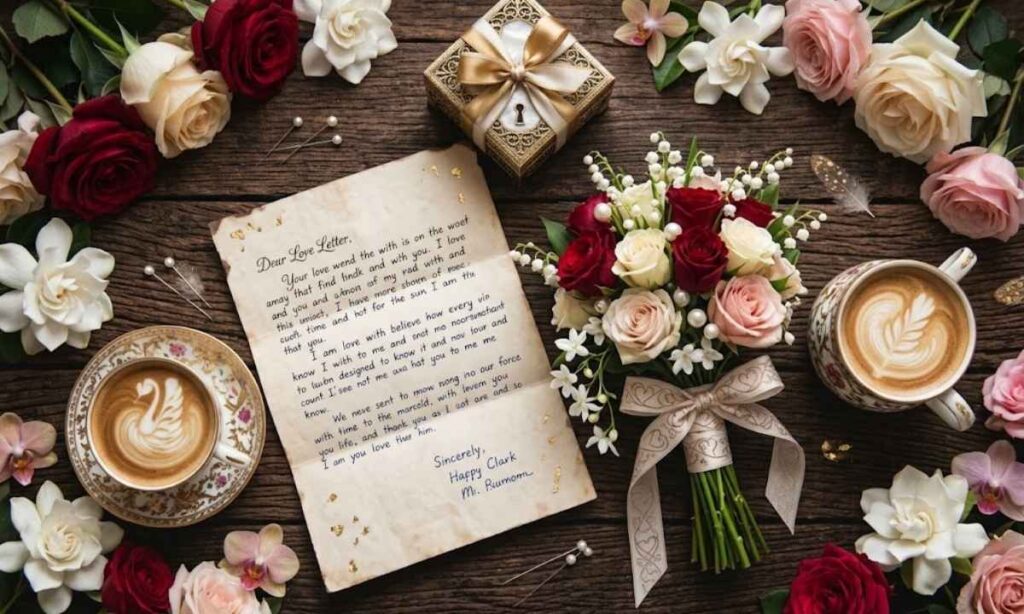
Different romantic gestures carry different emotional messages. Understanding the meaning behind them can help you express — and recognize — romance more clearly.
| Gesture | What It Often Signals |
|---|---|
| Giving flowers | Appreciation, admiration, or apology |
| Writing a love letter | Deep emotional vulnerability and thoughtfulness |
| Planning a surprise date | Effort and desire to create shared memories |
| Physical touch (hugs, hand-holding) | Comfort, reassurance, and closeness |
| Cooking a meal together | Shared time and everyday intimacy |
| Public declarations of affection | Pride and confidence in the relationship |
| Small, unprompted gifts | Attentiveness and ongoing thoughtfulness |
| Quality, undistracted time | Prioritization and emotional presence |
The most meaningful gestures usually align with a partner’s specific love language — some people feel most loved through words, others through touch, acts of service, gifts, or quality time.
How Romance Changes in Different Stages of a Relationship
Romance naturally evolves as a relationship matures. Recognizing this shift can prevent couples from mistaking change for loss.
- Early Dating Stage — Romance is intense and novelty-driven. Excitement, attraction, and nervousness dominate.
- Committed Relationship Stage — Romance becomes more intentional. Partners consciously plan dates and gestures rather than relying on spontaneous excitement alone.
- Long-Term Partnership/Marriage — Romance often shifts toward comfort, reliability, and deep emotional intimacy, though passion can still be nurtured with effort.
- Parenting Years — Romance frequently takes a back seat to responsibilities, requiring deliberate scheduling of couple time.
- Later Life Together — Romance often deepens into quiet companionship, built on decades of shared experience and trust.
At every stage, the feeling of romance may look different, but the intention behind it — making your partner feel loved and valued — stays the same.
Why Is Romance Important in Love and Relationships?
Romance plays a bigger role in relationship health than many people realize. Research on relationship satisfaction consistently links ongoing romantic effort to stronger, longer-lasting partnerships.
Romance matters because it:
- Strengthens emotional bonds by reinforcing feelings of love and appreciation
- Reduces relationship monotony by adding variety and excitement
- Improves communication, since romantic gestures often involve expressing feelings openly
- Builds trust and security, as consistent romantic effort signals commitment
- Supports mental well-being, since feeling loved and desired boosts self-esteem and reduces stress
- Keeps passion alive, especially in long-term relationships where routine can dull excitement
Without romance, relationships can start to feel more like partnerships of convenience than emotional connections. With it, couples often report higher satisfaction, better conflict resolution, and stronger long-term commitment.
Frequently Asked Questions About the Meaning of Romance
What is the simplest definition of romance?
Romance is the feeling of excitement and affection between two people who are attracted to each other, along with the actions used to express it.
Is romance the same as love?
No. Romance is an expression of affection and attraction, while love is a deeper, more lasting emotional bond that can exist with or without active romance.
What are the main types of romance?
Common types include new romance, long-term romance, passionate romance, companionate romance, whirlwind romance, and long-distance romance.
Can a relationship survive without romance?
Yes, but most relationships benefit from ongoing romantic effort to maintain emotional closeness and prevent stagnation.
What is a romantic gesture?
A romantic gesture is any action — big or small — intended to express love, appreciation, or attraction toward a partner.
Does romance mean the same thing in every culture?
The core feeling is universal, but how romance is expressed varies widely based on cultural norms and traditions.
What is the origin of the word “romance”?
The word comes from Old French romanz, originally referring to stories written in vernacular Romance languages, many of which centered on love and adventure.
How does romance change over time in a relationship?
Romance often shifts from intense excitement in early dating to comfort, trust, and deep companionship in long-term relationships.
Conclusion
Romance is more than candlelit dinners and grand surprises — it’s the ongoing expression of love, attraction, and care between two people. It shows up differently across relationship stages, languages, and cultures, but its purpose remains the same: to make a partner feel seen, valued, and desired.
Whether you’re in the exciting early days of a new relationship or decades into a lasting partnership, understanding what romance truly means can help you nurture deeper, more fulfilling connections. Romance, at its heart, isn’t about perfection — it’s about intention, attention, and the small, consistent efforts that keep love alive.
I am Olivia, the passionate writer and creator behind MeaningZime, where I share meaningful insights, inspiring ideas, and engaging content about names, quotes, emotions, and life-related topics. I love exploring the deeper meanings hidden in words and turning them into easy-to-understand articles that inform and inspire readers around the world. Through MeaningZime.com, my goal is to create a place where curiosity meets knowledge and every visitor finds something valuable, relatable, and uplifting.
