

Christmas Day meaning is simple at its core, because Christmas Day is the yearly festival that marks the birth of Jesus Christ. For Christians, it is a holy day, while for many other people it is a cultural holiday built on family, gifts, and goodwill. It falls on December 25 every year, and in 2026, Christmas Day falls on Friday, December 25.
The day sits at the heart of the Christmas season, since it comes after Advent, the four weeks of waiting. It opens twelve days of feasting that end at Epiphany on January 6. The story comes from the Gospels of Matthew and Luke, which tell of Jesus born in Bethlehem. Historians still debate why December 25 was chosen, and Britannica explains the three main theories in plain terms.
Christmas Day Meaning in Simple Words
In plain words, Christmas Day means the birth of Jesus Christ, and the name itself says it, since Christmas comes from Christ’s Mass, the church service held for Christ. So the day is, at its root, a feast of the birth of Christ.
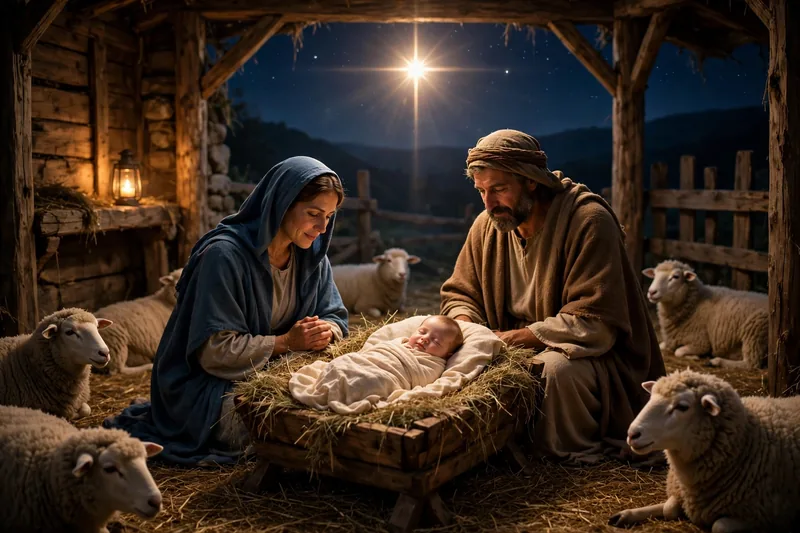
For Christians, the meaning is faith first, because the birth of Jesus is the start of the story of God made human. It is a day of hope, peace, and light in the darkest part of winter, when churches hold services, families pray, and people give thanks.
For people who do not follow the Christian faith, the day still means a lot, since it means time with family, gifts, good food, and a pause from work. It also means kindness to neighbors and help for people in need, and the same values sit at the center for both groups: love, peace, and goodwill.
That double meaning is why the day feels so big, because it is a holy day and a family holiday at the same time. It is one of the few days of the year when most of the world slows down together.
When Is Christmas Day in 2026?
Christmas Day is always on December 25, so the date never moves, although the day of the week changes each year.
In 2026, Christmas Day falls on Friday, December 25, which makes a long weekend for many people, with Christmas Eve on Thursday, December 24, and Boxing Day on Saturday, December 26.
Here are the next three dates:
- 2026: Friday, December 25
- 2027: Saturday, December 25
- 2028: Monday, December 25
Some churches keep a different date, since many Eastern Orthodox churches follow the older Julian calendar and mark Christmas on January 7. The Armenian church marks it on January 6, yet these dates all point to the same feast, and they just follow different calendars.
What Does the Word Christmas Mean?
The word Christmas comes from Old English, and the first form was Cristes maesse, which means Christ’s Mass. It was first written down in the year 1038, and over time the two words joined into one, so Cristes maesse became Christmas.
A Mass is a church service, so the name is plain: it is the Mass of Christ, the service held to mark his birth. The name tells you what the day is for.
You may also see the short form Xmas, but the X is not a way to cut Christ out of the word. It comes from the Greek letter Chi, which looks like an X, and Chi is the first letter of Christos, the Greek word for Christ. So Xmas still means Christmas, and it is just a short form that is nearly a thousand years old.
Why Is Christmas Celebrated on December 25?
The Bible does not give a date for the birth of Jesus, and no Gospel names a month or a day. So why December 25? Historians give three main theories, and more than one may be true.
The first theory is about math, since a Roman writer named Sextus Julius Africanus worked out the date in the year 221. He held that Jesus was conceived on March 25, the day he believed the world was made. Add nine months to that date, and you reach December 25. This is called the calculation theory.
The second theory is about the sun, because in the Roman world, December 25 was the feast of Sol Invictus, the Unconquered Sun. It marked the days getting longer again after the winter solstice. The church may have placed Christmas on the same date to show that Christ, not the sun, is the true light of the world.
The third theory is about the Roman feasts, since Saturnalia, a time of feasts and gifts, fell in mid December. Some say the church set Christmas close to it to give people a Christian feast in a season they already kept.
What we know for sure is the date the church first used. The church in Rome first marked Christmas on December 25 in the year 336, in the reign of the emperor Constantine. The earliest written record of the date comes from the Chronograph of 354, a Roman book of dates and lists. The East took longer to agree, and some churches there kept January 6 for decades. By the end of the 300s, most churches had settled on December 25. The day did not become a major feast with its own full liturgy until the 800s.
Christmas Day vs Christmas Eve
Christmas Eve and Christmas Day are two parts of one feast, but they feel different.
Christmas Eve is December 24, the night before, and in old church custom, a feast day starts at sunset on the eve. So the feast of Christmas starts on Christmas Eve evening. That is why many churches hold Midnight Mass on Christmas Eve, and why families open some gifts that night.
Christmas Day is December 25, the feast day itself, and it is the day of the birth. It is when most families open the rest of the gifts, sit down to the big meal, and spend the day together. In short, Christmas Eve is the start of the feast, and Christmas Day is the heart of it.
Seven Traditions People Follow on Christmas Day
Traditions differ from place to place, but seven customs show up in home after home. Here they are.
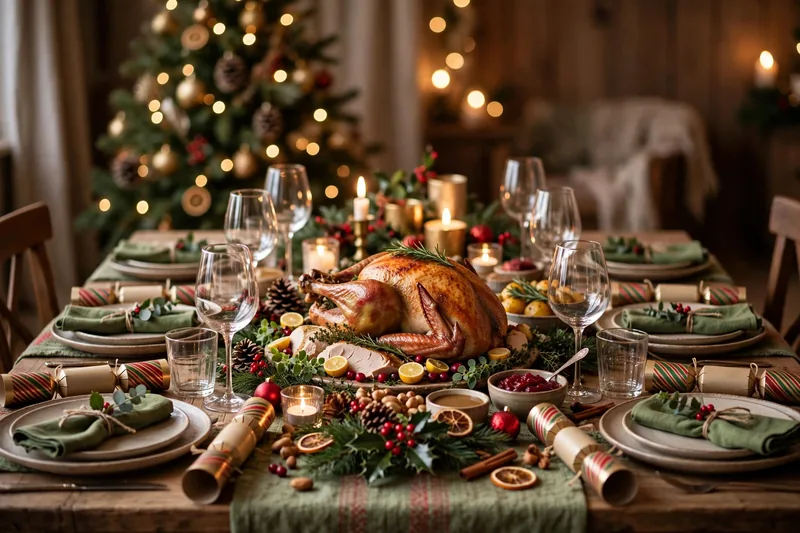
- Going to church. Many Christians start the day at a morning service, although some go to Midnight Mass the night before instead. The service marks the birth of Jesus with carols, candles, and prayer.
- Opening gifts. Children wake early to find gifts under the tree, and the custom comes from St. Nicholas, a bishop of the 300s known for secret gifts to the poor. It also recalls the gifts of the Magi, who brought gold, frankincense, and myrrh to the child Jesus.
- Sharing a big meal. Families sit down to a feast at midday or in the evening, and roast turkey, ham, or goose are common in the West. The meal is the center of the day for many homes.
- Decorating the tree. The Christmas tree, with lights and ornaments, stands in the living room, while the evergreen tree stands for life that lasts through winter. A star or an angel tops the tree.
- Singing carols. Songs like Silent Night and Joy to the World fill churches and homes, and carolers still go door to door in some towns. The carol We Wish You a Merry Christmas dates back to the 1500s, when singers went from house to house in England.
- Sending cards and calls. People send Christmas cards and call family who live far away, and the first commercial Christmas card was made in 1843.
- Giving to others. Many people give food, money, or time to people in need on Christmas Day, because the custom fits the meaning of the day: a gift given in love.
What Does Merry Christmas Mean?
Merry Christmas is the greeting of the season, and the word merry comes from Old English myrge, which means pleasant or cheerful. So the phrase is a wish: may your Christmas be pleasant and full of joy.
The first known use of the phrase dates to 1534, when Bishop John Fisher wrote it in a letter to Thomas Cromwell, the chief minister of King Henry VIII. He closed with the words, “And this our Lord God send you a merry Christmas.”
The phrase took off in 1843, the year Charles Dickens published A Christmas Carol, and the words Merry Christmas appear in it 21 times. The first commercial Christmas card, made the same year, carried the same greeting, and from then on, Merry Christmas became the standard wish in the English speaking world.
In Britain, some people say Happy Christmas instead, yet both wishes mean the same thing. Merry is simply the older, more festive word.
How Christmas Day Is Celebrated Around the World
Christmas Day looks different in each country, but the core is the same.
In the United States and Canada, families open gifts in the morning and eat a big dinner. Many towns hold parades, and Santa Claus is the star of the day for children.
In the United Kingdom, Christmas dinner often means roast turkey, Christmas pudding, and crackers pulled at the table. The monarch’s Christmas message is a long standing custom.
In the Philippines, the season is one of the longest in the world, since Simbang Gabi, nine dawn Masses, leads up to Christmas Day. Families share a feast called Noche Buena after Midnight Mass.
In Mexico, families mark the nine nights before Christmas with Las Posadas, a reenactment of Mary and Joseph looking for shelter. The nights end with music, food, and a feast on Nochebuena, Christmas Eve.
In Germany, the day is quieter, because the big family feast often falls on Christmas Eve, while Christmas Day is for church and rest.
In Australia, Christmas falls in summer, so many families eat outdoors, and some spend the day at the beach. The meal may still include roast meats and plum pudding.
Wherever it is kept, the day brings people together, and that is the point that never changes.
Is Christmas Day a Public Holiday?
Yes, in most of the world. Christmas Day is a public holiday in most of the Americas, Europe, Oceania, and parts of Africa and Asia. Shops and offices close, schools are shut, and public transport often runs a reduced service.
In the United States, it is a federal holiday, while in the United Kingdom, it is a bank holiday. In many countries, if Christmas Day falls on a weekend, workers get the nearest weekday off instead.
A few countries do not mark it as a public holiday, often where Christians are a small share of the people. Even there, many Christians still take the day off to mark the feast.
The Twelve Days of Christmas
Christmas Day is not the end of the season, since it is the start. The feast opens Christmastide, a season of twelve days, and the twelve days run from December 25 to January 5. The season ends on January 6, the feast of Epiphany. Epiphany marks the visit of the Magi, the wise men who brought gifts to the child Jesus.
That is where the song The Twelve Days of Christmas comes from, because each verse counts one of the twelve days. Twelfth Night, the evening of January 5, is the last night of the season. In old custom, decorations stayed up until then.
So Christmas Day is day one, not day twelve, and the feast keeps going for nearly two weeks after it.
Christmas Day Meaning: Frequently Asked Questions
What does Christmas Day mean?
Christmas Day means the birth of Jesus Christ, and the name comes from Christ’s Mass, the church service for Christ. For Christians, it is a holy day, while for many others, it is a family holiday built on gifts, food, and goodwill.
When is Christmas Day in 2026?
Christmas Day 2026 falls on Friday, December 25, 2026, while Christmas Eve is Thursday, December 24, and Boxing Day is Saturday, December 26.
Why is Christmas celebrated on December 25?
The Bible gives no date for the birth of Jesus, yet the church in Rome first marked December 25 in the year 336. Historians point to three ideas: a calculation from March 25, the Roman feast of the Unconquered Sun, and the winter feasts of Saturnalia.
What is the difference between Christmas Day and Christmas Eve?
Christmas Eve is December 24, the night the feast starts, while Christmas Day is December 25, the feast day itself. Many churches hold Midnight Mass on Christmas Eve, while most families open gifts and eat the big meal on Christmas Day.
What does Merry Christmas mean?
Merry Christmas is a wish for a pleasant and joyful Christmas, and merry comes from Old English myrge, which means pleasant or cheerful. The phrase was first written in a letter in 1534, and it became common after Dickens used it in A Christmas Carol in 1843.
Is Christmas Day a public holiday?
Yes, in most countries, since it is a public holiday across most of the Americas, Europe, Oceania, and parts of Africa and Asia. A few countries do not mark it, but Christians there still keep the feast.
Christmas Day is a day of hope, and the date, the gifts, and the feast all point back to one birth. Whether you keep it in church or around a family table, the day asks for the same things: peace, love, and goodwill to all. That is why, more than 1,600 years after the first Christmas on December 25, the day still stops the world for a while.
I am Olivia, the passionate writer and creator behind MeaningZime, where I share meaningful insights, inspiring ideas, and engaging content about names, quotes, emotions, and life-related topics. I love exploring the deeper meanings hidden in words and turning them into easy-to-understand articles that inform and inspire readers around the world. Through MeaningZime.com, my goal is to create a place where curiosity meets knowledge and every visitor finds something valuable, relatable, and uplifting.
